Volunteering brings people together when their time, skills and ideas are valued. An inclusive group makes room for different levels of experience and different amounts of available time. Minerva shares a practical approach to making participation welcoming from the first conversation.
Describe the role clearly
Explain what the task involves, how long it may take and who can offer support. Be clear about any costs, equipment or travel. A specific invitation helps people decide whether an activity fits their circumstances.
Offer smaller tasks alongside longer commitments where possible. Someone who cannot attend every meeting may still contribute through preparation, translation, design or follow-up.
Welcome questions and share knowledge
- Introduce a named contact for new volunteers.
- Explain the group’s routines and avoid assuming prior knowledge.
- Pair new and experienced volunteers for a first activity.
- Provide feedback that recognises effort and makes the next step clear.
Share decisions as well as tasks
Invite volunteers to help shape an activity, rather than only carrying out instructions. Use short discussions or written suggestions so that quieter participants also have a way to contribute.
Review who takes visible roles and who does preparation or support work. Rotate opportunities where appropriate, and ask what support would make a new role possible.
A simple team check-in
After an activity, ask three questions: What worked? What made participation difficult? What should we change together? Record one agreed action and return to it at the next meeting.
Belonging grows when people can see that their contribution matters and their feedback leads to action.
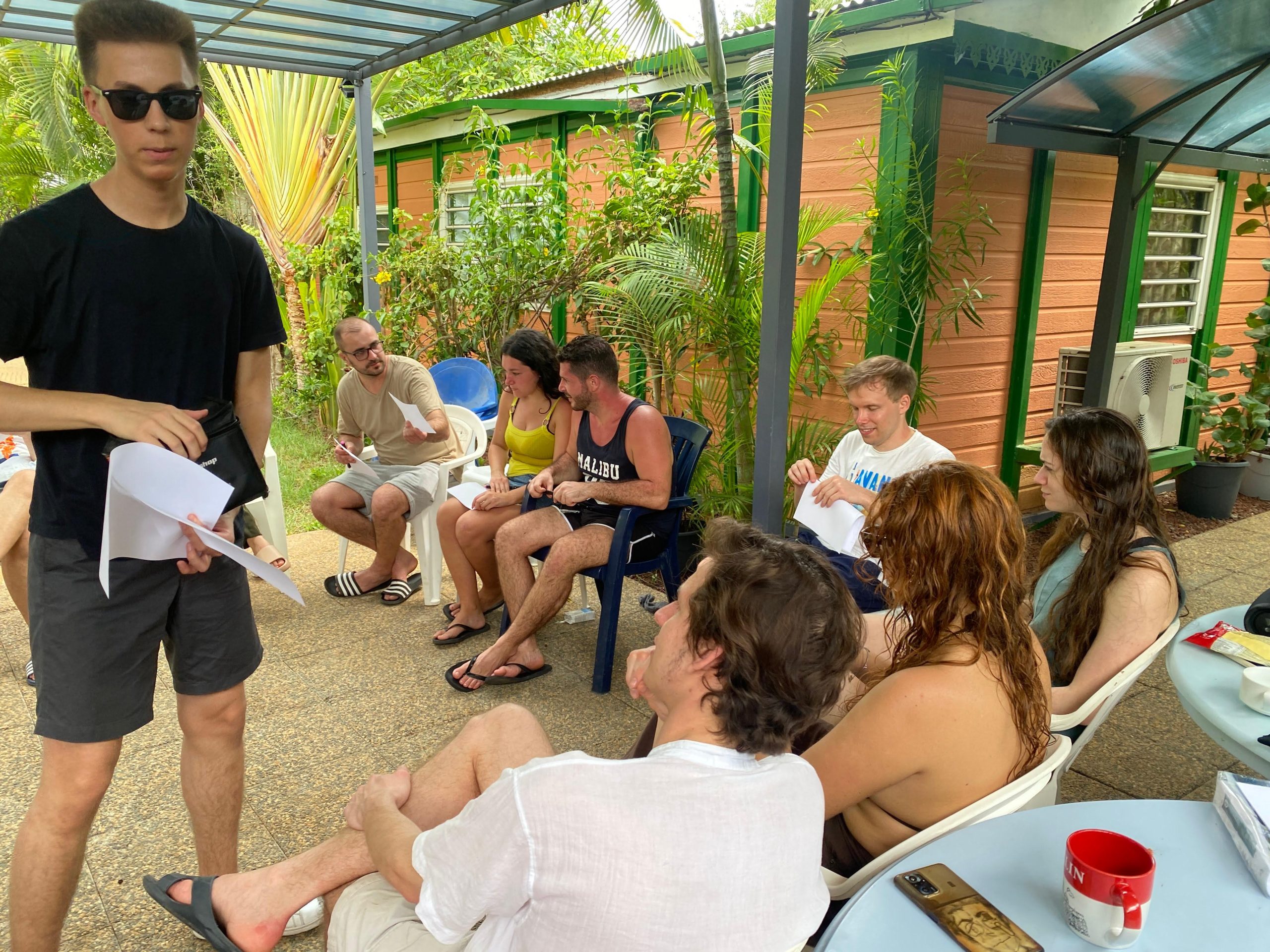
Image from MINERVA’s archive, used for illustration.